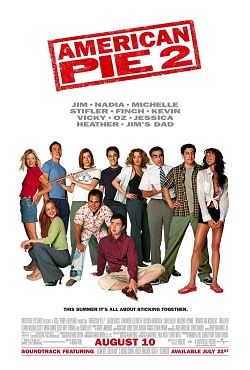
American Pie 2: Unpacking the Franchise's Highest-Grossing Comedy Hit
A year after Jim Levenstein's infamous band camp encounter and the prom night misadventures that defined a generation, the beloved gang from East Great Falls High reunited, not just for a summer, but for a comedy spectacle that would redefine the teen film genre and cement its place as the franchise's highest-grossing entry. American Pie 2, released in 2001, didn't just meet expectations; it soared past them, delivering a more outrageous, yet equally heartwarming, cinematic experience that captured the anxieties and excitements of post-high school life.
Directed by James B. Rogers and penned by Adam Herz and David H. Steinberg, this highly anticipated sequel to the 1999 hit saw the return of its iconic ensemble cast, including Jason Biggs, Shannon Elizabeth, Alyson Hannigan, Chris Klein, Natasha Lyonne, Thomas Ian Nicholas, Tara Reid, Seann William Scott, Mena Suvari, Eddie Kaye Thomas, and the ever-present Eugene Levy. With a budget of $30 million, the film grossed over $145 million in the United States and an additional $142 million overseas, culminating in a staggering worldwide total of $287.5 million. This financial triumph wasn't just a fluke; it was a testament to the film's ability to evolve its characters, escalate its humor, and resonate deeply with an audience navigating the confusing, exhilarating landscape between adolescence and adulthood.
The Summer After: Plotting the Ultimate Reunion
The premise of American Pie 2 is inherently relatable for anyone who has ever transitioned from high school to college: the desire to recapture the magic of past friendships while grappling with new experiences and challenges. The film kicks off with Jim, Kevin, Oz, and Finch returning home for the summer after their first year of college. Stifler, of course, is already in full party mode, and it’s his initial shindig that sets the stage for the film���s central idea: Kevin's inspired vision to rent a Lake Michigan beach house and throw the most epic summer party imaginable.
This quest for the ultimate summer celebration forms the narrative backbone, propelling the five friends – Jim Levenstein, Kevin Myers, Chris "Oz" Ostreicher, Paul Finch, and Steve Stifler – into a series of misadventures. To afford the rent for their dream party pad, the guys take on a house-painting job, a seemingly innocent endeavor that quickly devolves into comedic chaos, foreshadowing the wild antics to come. The beach house, initially an innocent-looking rental, transforms into the "ultimate party central," becoming a character in itself as it witnesses bonds being forged, hearts being tested, and plenty of unexpected, often sticky, situations.
What makes this setup particularly engaging is how it taps into universal themes: the pursuit of independence, the yearning for connection, and the exhilarating freedom of summer. The gang isn't just seeking a party; they're seeking to cement their friendships, explore their identities, and, in many cases, continue their often-awkward journeys of sexual discovery. The stakes feel higher, as these are no longer high school kids but young adults on the cusp of truly defining themselves.
More Outrageous, More Heart: Signature Moments and Character Arcs
American Pie 2 didn't just repeat the gags of its predecessor; it amplified them, taking the characters into even more ludicrous, yet surprisingly poignant, situations. The film masterfully balances its signature raunchy humor with genuine moments of introspection and emotional growth, particularly as the characters navigate the complexities of love and friendship.
- Jim Levenstein's Continuous Saga: Jim, still the king of awkwardness, finds himself in a familiar predicament when his former love interest, Nadia, announces her plans to visit. Desperate to improve his bedroom prowess, he turns to Michelle Flaherty, his prom date, for unconventional "lessons." This leads to arguably one of the film's most iconic and cringeworthy scenes: Jim's disastrous attempt to impress Nadia by posing as a "mentally disabled trombone prodigy" at band camp, a scene that perfectly encapsulates his endearing ineptitude.
- Kevin & Vicky's Evolving Connection: Kevin Myers, ever the earnest one, faces an awkward reunion with his ex-girlfriend Vicky. Their attempts to casually lie about their college sexual exploits highlight the insecurities and societal pressures young adults often face when trying to define their post-breakup identities. Their journey through the film hints at the enduring nature of first loves, even amidst new experiences.
- Oz & Heather's Long Distance Love: Chris "Oz" Ostreicher struggles with a long-distance relationship with Heather, leading to a memorable, if not entirely successful, attempt at phone sex. His arc explores the challenges of maintaining intimacy when separated by distance, a common dilemma for college students.
- Stifler's Unfiltered Antics: Steve Stifler, played by the inimitable Seann William Scott, remains the anarchic force of the group. His interactions with their "very accommodating next-door neighbors" and his general disregard for social graces provide much of the film's most outrageous laughter. Stifler's brand of humor is chaotic and often shocking, but it's an essential ingredient in the American Pie formula.
- Finch's Peculiar Charms: Paul Finch continues his unique path, still maintaining his sophisticated, yet equally bizarre, persona. His quiet confidence and unexpected encounters add a layer of eccentricity to the group dynamic.
Beyond individual storylines, the film introduced gags that became instantly quotable and infamous. The concept of transforming an innocent-looking beach house into the ultimate party central became the very backbone of the film, culminating in a legendary summer bash that fans still talk about. To delve deeper into the party's chaotic brilliance, you can read more about Relive the Wild Summer: American Pie 2's Unforgettable Beach House Party. Furthermore, the film didn't shy away from pushing boundaries, introducing iconic gags like the notorious Super Glue incident and the perplexing "Rule of Three," which left audiences both cringing and roaring with laughter. For a closer look at these pivotal comedic elements, explore Super Glue & Rule of Three: Inside American Pie 2's Outrageous Humor.
A Box Office Juggernaut: Why American Pie 2 Struck Gold
The monumental financial success of American Pie 2 – outperforming even its beloved predecessor and becoming the highest-grossing film in the entire franchise – wasn't merely due to brand recognition. Several factors contributed to its box office dominance:
- Perfect Timing and Target Audience: Released in 2001, the film perfectly captured the zeitgeist of early 2000s youth culture. It spoke directly to college students and recent graduates who were experiencing similar transitions, anxieties, and desires. The themes of sexual exploration, friendship, and the fear of missing out resonated universally.
- Escalated Humor and Relatability: The sequel delivered on the promise of being "even more outrageous than the original" without sacrificing the emotional core that made the first film so endearing. The humor was bolder, the situations more extreme, but the underlying relatability of the characters' struggles remained intact. Audiences returned because they felt like they were catching up with old friends.
- Strong Ensemble Cast Chemistry: The core cast had already established incredible chemistry in the first film, and their reunion felt natural and exciting. Seeing familiar faces reprise their roles with evolved storylines created a sense of continuity and investment for viewers. Eugene Levy, as Jim's dad, continued to be a scene-stealing force, embodying the awkward parent figure with pitch-perfect comedic timing.
- Effective Marketing and Word-of-Mouth: Universal Pictures leveraged the success of the original, creating a marketing campaign that highlighted the returning cast and the promise of amplified comedy. Strong word-of-mouth further fueled its theatrical run, turning it into a must-see summer event.
- Universal Themes of Growth: While known for its raunchy comedy, the film subtly explored universal themes of personal growth, self-acceptance, and the powerful bonds of friendship. Audiences weren't just laughing; they were also connecting with the characters' journeys of self-discovery.
This potent combination of factors allowed American Pie 2 to not only entertain but also to make a significant cultural and financial impact, cementing its place as a standout in the sex comedy genre and a commercial powerhouse.
The Enduring Legacy of American Pie 2
Twenty years after its release, American Pie 2 continues to be a touchstone for comedy fans and a benchmark for the teen film genre. It proved that a sequel could not only live up to the original but, in some ways, surpass it in scope and comedic ambition. The film's influence can be seen in countless subsequent comedies that attempted to capture its unique blend of gross-out humor and genuine heart. It solidified the careers of many of its young stars and ensured the American Pie franchise, which would later include American Wedding (2003) and other installments, would remain a significant cultural phenomenon.
For those looking to revisit the outrageous summer of Jim, Kevin, Stifler, Oz, and Finch, American Pie 2 is widely available on major streaming platforms like Netflix and Apple TV. Its re-watchability is a testament to its timeless humor and the enduring appeal of its characters. From late-night band camp encounters to the ultimate party central at the beach house, this summer vacation remains unforgettable, offering laughs and a nostalgic trip down memory lane for new and old fans alike.
In conclusion, American Pie 2 is far more than just a raunchy comedy sequel; it's a meticulously crafted comedic triumph that perfectly captured the anxieties, aspirations, and absurdities of young adulthood. Its unparalleled box office success underscores its universal appeal, proving that audiences were hungry for a film that dared to be outrageous while still celebrating the powerful bonds of friendship and the messy, often hilarious, journey of self-discovery. It remains a definitive entry in the annals of comedy, a testament to a summer none of them—or us—will ever forget.